Common Battery Types for RC Cars
RC car batteries do not adhere to a single standard "size" designation; popular choices include:
AA Batteries (Size 5): Commonly used in entry-level toy cars; 1.5V voltage; low cost but offer relatively short runtimes.
AAA Batteries (Size 7): Used in miniature RC cars; smaller in physical size, though capacity is reduced by approximately 30%.
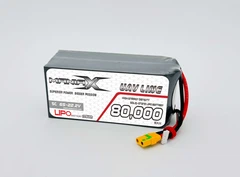
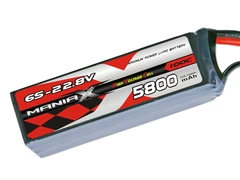
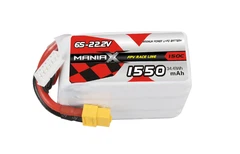
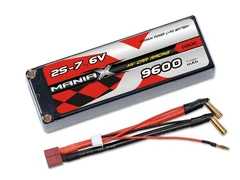
Lithium Battery Packs: The standard choice for professional-grade models; feature high voltages (typically 7.4V or 11.1V) and boost runtime by more than threefold.
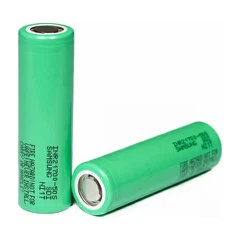
NiMH Batteries: Rechargeable models that are both eco-friendly and economical; suitable for mid-range racing models.
How to Choose the Right Battery for Your RC Car
Select a battery based on the specific characteristics of your vehicle model:
Toy-Grade Models: AA or AAA batteries are sufficient; ensure correct polarity (+/-) alignment.
Competition-Grade Models: Prioritize Lithium battery packs; verify that the voltage and physical dimensions of the battery pack are compatible with the vehicle's battery compartment.
Modified Vehicles: NiMH batteries offer excellent balance and stability, capable of enduring up to 500 charge-discharge cycles.
Specialized Applications: For beach buggies, waterproof batteries are recommended; crawler vehicles require batteries capable of delivering high torque.
Tips for Extending Battery Lifespan
Paying attention to these details can significantly extend your battery's service life:
Avoid Overcharging: When charging Lithium batteries, stopping at 80% capacity can help maximize the number of charge cycles.
Maintain a 50% Charge: If storing the battery for an extended period, keep it at approximately 50% charge to prevent deep discharge.
Avoid High Temperatures: High-temperature environments accelerate battery aging; it is recommended to store batteries at temperatures below 30°C.
Do Not Mix Battery Types: Never mix different battery models or types, as this can lead to voltage imbalances.