

Cylindrical Lithium Batteries: The Enduring Appeal of a Classic Veteran
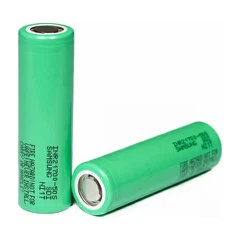
Cylindrical lithium batteries can be described as the "old guard" of the battery world. From the early 18650 models to today's 21700 and 4680 series, they resemble rows of miniature battery "shells," neatly arranged within power tools, laptops, and even Tesla automobiles. The primary advantage of this form factor lies in its mature manufacturing processes, excellent thermal dissipation capabilities, and suitability for high-current discharge applications. However, the drawbacks are equally apparent: space utilization efficiency is relatively low; when multiple cylindrical cells are bundled together, gaps inevitably form-much like trying to pack bowling balls into a box, where empty spaces always remain to be filled.
Prismatic Lithium Batteries: The Space Magician's Optimized Solution
Prismatic lithium batteries are the true "masters of space utilization." Resembling blocks of chocolate, they fit snugly against the internal structures of electronic devices. This design allows for an increase in the battery pack's volumetric energy density of over 15%, making them a common choice for volume-sensitive devices such as smartphones and tablets. Interestingly, the treatment of the corners on prismatic batteries involves a sophisticated science: rounded corners help mitigate stress concentration, while sharp, right-angle corners maximize space utilization; engineers make optimized choices regarding these designs based on the specific structural characteristics of the device in question.
Pouch Cells and Button Cells: Custom Solutions for Specialized Applications
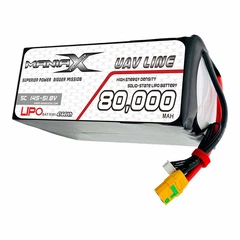
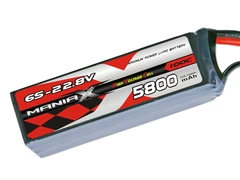
Pouch-cell lithium batteries resemble a "breathing" sheet of aluminum-plastic laminate, capable of being molded into a wide variety of irregular shapes-from the curved batteries found in smartwatches to the uniquely shaped battery packs powering drones. This inherent flexibility allows designers to transcend traditional spatial constraints. Button-cell lithium batteries, conversely, serve as the saviors of miniature devices; with diameters ranging from 4.8mm to 24.5mm and thicknesses as slim as 1.6mm, they are ubiquitous in wearable electronics such as Bluetooth earbuds and smart wristbands. Despite their diminutive size, their energy density is in no way inferior to larger formats, with certain models boasting a battery life capable of lasting for several months.