
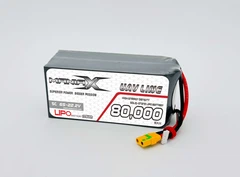
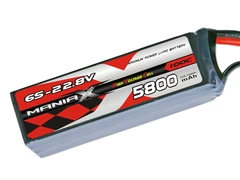
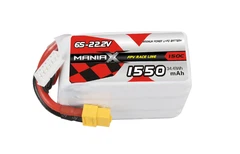
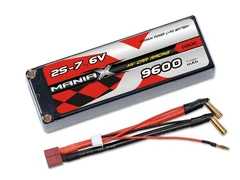
Overview of All-Solid-State Batteries for Drones
With the rapid advancement of drone technology, all-solid-state batteries-characterized by their high performance and superior safety-are gradually emerging as a key research hotspot within the drone sector. All-solid-state batteries for drones primarily encompass types such as lithium-ion, lithium-sulfur, and lithium-air batteries; these technologies offer significant advantages in terms of energy density, charging speed, and safety.
Lithium-Ion Batteries
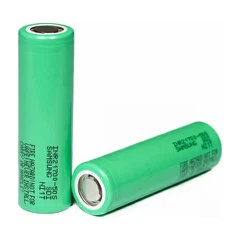
Lithium-ion batteries are currently among the most widely adopted all-solid-state battery technologies for drones. They boast numerous advantages, including high energy density, a long cycle life, and low self-discharge rates. The electrolyte in these batteries is composed of solid-state materials, which effectively mitigates the risks associated with liquid electrolytes-such as leakage and flammability-thereby significantly enhancing battery safety. Furthermore, lithium-ion batteries exhibit excellent fast-charging capabilities, which reduces drone downtime and boosts operational efficiency.
Lithium-Sulfur Batteries
Lithium-sulfur batteries represent a novel class of high-energy-density all-solid-state batteries for drones. Utilizing sulfur as the cathode material and lithium as the anode material, they offer the distinct advantages of high theoretical energy density and low cost. The sulfur used in the cathode is abundant and inexpensive, holding the promise of significantly lowering the manufacturing costs of drone batteries. Additionally, lithium-sulfur batteries demonstrate favorable environmental performance, aligning well with the global trend toward green and sustainable development. However, practical application of lithium-sulfur batteries still faces several challenges-such as relatively short cycle life and suboptimal rate performance-necessitating further research and refinement.
Lithium-Air Batteries
Lithium-air batteries constitute another promising category of all-solid-state batteries for drones. By utilizing atmospheric oxygen as the active cathode material and lithium as the anode material, they achieve an exceptionally high theoretical energy density. A key advantage of lithium-air batteries is that their active cathode material is drawn directly from the surrounding air, eliminating the need to carry it onboard and thereby reducing the drone's overall payload. Nevertheless, the practical implementation of lithium-air batteries confronts numerous technical hurdles-including issues regarding electrolyte stability and the efficiency of the oxygen reduction reaction-which require further breakthroughs to resolve.
V. Application Prospects for All-Solid-State Drone Batteries
Driven by continuous advancements in drone technology and ever-growing market demand, the application prospects for all-solid-state drone batteries are vast. In the future, these batteries are poised to play a pivotal role across a wide range of sectors, including aerial photography, agricultural plant protection, express logistics, and disaster relief operations. Meanwhile, as all-solid-state battery technology achieves further breakthroughs and costs decline, these batteries are poised to become the mainstream power source for drones, thereby driving the sustained growth of the drone industry.
In summary, all-solid-state batteries for drones encompass a wide variety of types, each possessing its own distinct characteristics. Technologies such as all-solid-state lithium-ion, lithium-sulfur, and lithium-air batteries provide drones with power solutions characterized by both high performance and high safety. As technology continues to advance and application fields expand, all-solid-state batteries for drones are set to enjoy even broader prospects for future development.