

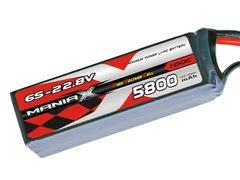
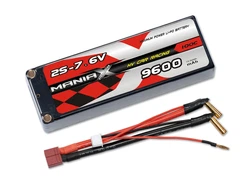
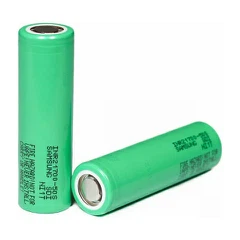
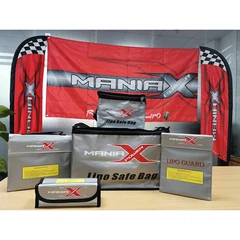

As a leading supplier of Racing FPV drone batteries, I often receive inquiries from customers about using our products in various conditions. One frequently asked question is: "Can I use a Racing FPV drone battery in cold weather?" In this blog post, I'll explore this topic in detail, providing scientific insights and practical advice.
Understanding the Impact of Cold Weather on Drone Batteries
To start, it's essential to understand how cold temperatures affect Racing FPV drone batteries. Most of these batteries are lithium polymer (LiPo) batteries, which offer high energy density and are lightweight, making them ideal for drones. However, LiPo batteries are sensitive to temperature changes.
In cold weather, the chemical reactions within the battery slow down. This reduction in chemical activity directly impacts the battery's performance. The internal resistance of the battery increases as the temperature drops. Higher internal resistance means that the battery has to work harder to deliver the same amount of power, leading to a decrease in voltage. As a result, the drone may experience reduced performance, such as slower acceleration, lower flight times, and in extreme cases, sudden power loss.
Moreover, cold temperatures can also cause the electrolyte in the battery to thicken. The electrolyte is crucial for the movement of ions between the battery's electrodes. When it thickens, the ion flow is restricted, further hampering the battery's ability to deliver power efficiently.


Our Solid - state HV LiPo Batteries and Cold Weather Performance
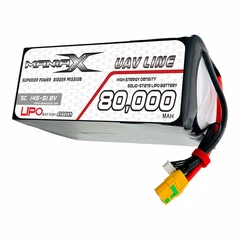
At our company, we offer a range of high - quality batteries, including the ManiaX Solid - state HV LiPo 14S - 53.9V 28,000mAh 10C Drone & UAV Battery, ManiaX Solid - state HV LiPo 12S - 46.2V 30,000mAh 10C Drone & UAV Battery, ManiaX Solid - state HV LiPo 14S - 53.9V 50,000mAh 10C Drone & UAV Battery, ManiaX Solid - state HV LiPo 12S - 46.2V 50,000mAh 10C Drone & UAV Battery, and ManiaX Solid - state HV LiPo 12S - 46.2V 39,000mAh 10C Drone & UAV Battery. These solid - state high - voltage LiPo batteries are designed with advanced technology to mitigate the negative effects of cold weather to some extent.
Solid - state batteries have a different electrolyte structure compared to traditional LiPo batteries. The solid electrolyte is more stable at low temperatures, which helps to maintain better ion conductivity. This means that our solid - state HV LiPo batteries can potentially deliver more consistent power in cold weather conditions compared to standard LiPo batteries.
However, it's important to note that even our advanced batteries are not completely immune to the effects of cold. While they may perform better than regular LiPo batteries, users still need to take certain precautions when flying in cold weather.
Precautions for Using Racing FPV Drone Batteries in Cold Weather
- Pre - warm the Batteries: Before flying, you can pre - warm the batteries to a reasonable temperature. One simple way is to use a battery warmer or place the batteries in an insulated container with a heat pack for a short period. However, be careful not to overheat the batteries, as excessive heat can also damage them.
- Limit Flight Times: In cold weather, reduce your flight times compared to normal conditions. This helps to prevent the battery from discharging too much while it's cold, which can cause irreversible damage. Monitor the battery's voltage closely during the flight and land the drone as soon as the voltage approaches the safe minimum level.
- Keep Batteries Warm During Storage: When not in use, store the batteries in a warm place. Avoid leaving them outside in the cold for extended periods. A heated room or a battery storage case with insulation can help maintain the battery's temperature.
- Use Proper Charging Procedures: Charge the batteries in a warm environment. Cold batteries may not charge properly, and in some cases, charging a cold battery can be dangerous. Make sure the battery reaches a suitable temperature before attempting to charge it.
Testing Our Batteries in Cold Weather
We conduct rigorous testing on our batteries in cold weather conditions to ensure their reliability and performance. Our testing facilities simulate various cold - weather scenarios, from moderately cold temperatures to extreme cold.
In our tests, we found that our solid - state HV LiPo batteries retained a higher percentage of their capacity compared to traditional LiPo batteries at low temperatures. For example, at around 0°C, a standard LiPo battery might lose up to 30% of its capacity, while our solid - state batteries typically lose around 15 - 20%. This difference in capacity loss can significantly impact the drone's flight performance and duration.
We also measure the voltage output of the batteries during discharge in cold weather. The results show that our batteries maintain a more stable voltage throughout the discharge cycle, providing a more consistent power supply to the drone.
Conclusion and Call to Action
In conclusion, while it is possible to use Racing FPV drone batteries in cold weather, there are challenges due to the impact of low temperatures on battery performance. Our solid - state HV LiPo batteries are designed to offer better cold - weather performance compared to traditional LiPo batteries, but users still need to take appropriate precautions.
If you're looking for high - quality Racing FPV drone batteries that can perform well in various conditions, including cold weather, our range of ManiaX Solid - state HV LiPo batteries are an excellent choice. We're committed to providing the best products and services to our customers. If you have any questions or are interested in purchasing our batteries, we welcome you to contact us for negotiation and further information.
References
- Wang, X. et al. (2019). "Low - Temperature Performance of Lithium - Ion Batteries". Journal of Power Sources, 433, 226671.
- Zhang, Y. and Li, H. (2020). "Solid - State Lithium Batteries: Challenges and Perspectives". Energy Storage Materials, 28, 254 - 270.


