


In the realm of advanced energy storage, the time traveling machine high rate lithium battery stands as a pinnacle of technological innovation. As a leading supplier of these cutting - edge batteries, I've witnessed firsthand the challenges associated with performance degradation. In this blog, I'll delve into the factors contributing to this issue and share effective strategies to slow down the performance degradation of time traveling machine high rate lithium batteries.

Understanding the Basics of Time Traveling Machine High Rate Lithium Batteries
Before we explore the solutions, it's crucial to understand the unique characteristics of time traveling machine high rate lithium batteries. These batteries are designed to deliver a high current output in a short period, which is essential for the rapid energy demands of time traveling machines. They are typically based on lithium - ion chemistry, which offers high energy density, long cycle life, and low self - discharge rates compared to other battery chemistries.
However, the high - rate operation of these batteries puts significant stress on the electrodes and electrolyte, leading to accelerated degradation over time. The main components of a lithium - ion battery include the cathode, anode, electrolyte, and separator. During charging and discharging, lithium ions move between the cathode and anode through the electrolyte. Any disruption in this process can lead to performance degradation.
Factors Contributing to Performance Degradation
- Overcharging and Over - Discharging
Overcharging can cause the cathode material to decompose, leading to the formation of a solid - electrolyte interphase (SEI) layer on the anode surface. This layer can increase the internal resistance of the battery, reducing its capacity and efficiency. Similarly, over - discharging can cause lithium plating on the anode, which can short - circuit the battery and lead to a catastrophic failure. - High Temperature
High temperatures accelerate the chemical reactions within the battery, increasing the rate of side reactions and the growth of the SEI layer. This can lead to a loss of active lithium ions, a decrease in battery capacity, and an increase in internal resistance. Additionally, high temperatures can cause the electrolyte to decompose, further contributing to performance degradation. - High - Rate Charging and Discharging
The high - rate operation of time traveling machine high rate lithium batteries generates a large amount of heat, which can exacerbate the effects of high temperature. Moreover, the rapid movement of lithium ions during high - rate charging and discharging can cause mechanical stress on the electrodes, leading to cracking and pulverization of the active materials. - Impurities and Contamination
Even small amounts of impurities in the battery materials or electrolyte can act as catalysts for side reactions, which can degrade the battery performance. Contamination can also cause short - circuits and other safety issues.
Strategies to Slow Down Performance Degradation
- Proper Charging and Discharging Management
One of the most effective ways to slow down performance degradation is to ensure proper charging and discharging management. This involves using a high - quality battery management system (BMS) that can monitor the battery voltage, current, and temperature in real - time. The BMS should be programmed to prevent overcharging and over - discharging by automatically adjusting the charging and discharging parameters.
For example, setting the charging voltage limits and cut - off currents can help prevent overcharging. Similarly, setting the minimum discharge voltage can prevent over - discharging. Additionally, using a slow charging rate, especially for the initial and final stages of charging, can reduce the stress on the electrodes and slow down the growth of the SEI layer.
2. Temperature Control
Maintaining an optimal temperature range is crucial for the longevity of time traveling machine high rate lithium batteries. This can be achieved through the use of thermal management systems, such as cooling plates, heat sinks, or liquid cooling systems. These systems can dissipate the heat generated during high - rate operation and keep the battery temperature within a safe range.
In addition to active cooling systems, proper battery packaging and ventilation can also help in temperature control. Ensuring that the battery is installed in a well - ventilated area can prevent the accumulation of heat.
3. Optimized High - Rate Operation
While high - rate operation is necessary for time traveling machines, it should be optimized to reduce stress on the battery. This can involve limiting the duration and frequency of high - rate charging and discharging. For instance, if possible, the time traveling machine can be designed to operate at a lower power level for certain tasks, reducing the demand on the battery.
Moreover, using advanced battery chemistries and electrode materials that are more resistant to high - rate operation can also help. For example, some new cathode materials have been developed to withstand higher charging and discharging rates without significant degradation.
4. Quality Control and Purity
Ensuring the high quality and purity of the battery materials and electrolyte is essential. This involves strict quality control measures during the manufacturing process. Using high - purity raw materials, clean manufacturing environments, and advanced purification techniques can minimize the presence of impurities and contaminants.
Regular testing of the batteries during and after production can also help identify any potential issues early on. This can ensure that only high - quality batteries are delivered to the market.
Our Product Offerings
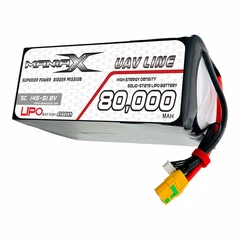
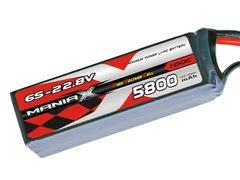
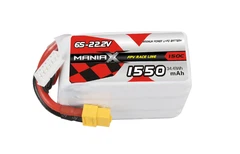
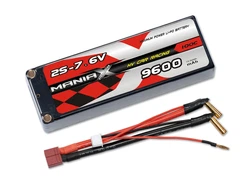
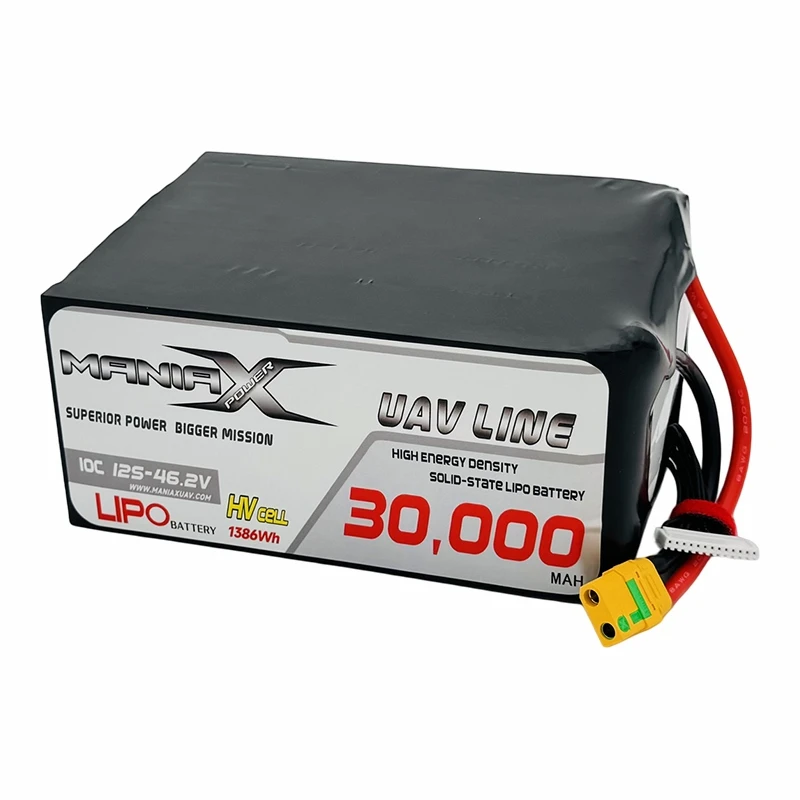
As a supplier, we offer a range of high - quality time traveling machine high rate lithium batteries. We also have a selection of solid - state HV LiPo batteries suitable for drones and UAVs, which share some similarities in technology with our time traveling machine batteries. You can explore our product range below:
- ManiaX Solid - state HV LiPo 12S - 46.2V 30,000mAh 10C Drone & UAV Battery
- ManiaX Solid - state HV LiPo 6S - 23.1V 30,000mAh 10C Drone & UAV Battery
- ManiaX Solid - state HV LiPo 6S - 23.1V 50,000mAh 10C Drone & UAV Battery
- ManiaX Solid - state HV LiPo 14S - 53.9V 28,000mAh 10C Drone & UAV Battery
- ManiaX Solid - state HV LiPo 12S - 46.2V 50,000mAh 10C Drone & UAV Battery
Conclusion and Call to Action
In conclusion, the performance degradation of time traveling machine high rate lithium batteries is a complex issue influenced by multiple factors. By understanding these factors and implementing the appropriate strategies, we can significantly slow down the degradation process and extend the lifespan of the batteries.
If you are in the market for high - performance time traveling machine high rate lithium batteries or have any questions about our products and solutions, we encourage you to reach out for a procurement discussion. Our team of experts is ready to assist you in finding the best battery solutions for your specific needs.
References
- Arora, P., Zhang, Z., & White, R. E. (1999). Development of a New Model for Lithium - Ion Batteries. Journal of The Electrochemical Society, 146(10), 3626 - 3639.
- Tarascon, J. M., & Armand, M. (2001). Issues and Challenges Facing Rechargeable Lithium Batteries. Nature, 414(6861), 359 - 367.
- Goodenough, J. B., & Kim, Y. (2010). Challenges for Rechargeable Li Batteries. Chemistry of Materials, 22(3), 587 - 603.


