
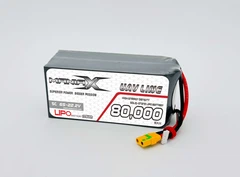
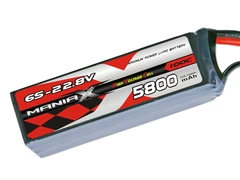
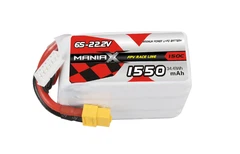
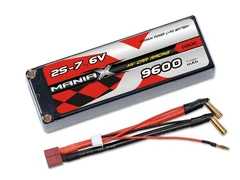
The Chemical Nature of Drone Batteries
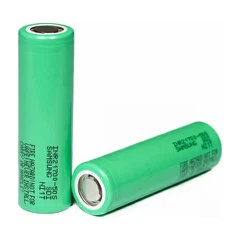
Lithium batteries are indeed the dominant choice for drones, a preference driven primarily by their high energy density and lightweight nature. Currently, over 90% of consumer-grade drones on the market utilize lithium-polymer batteries-an advanced variant of standard lithium battery technology. Compared to traditional lead-acid batteries, lithium batteries can store a greater amount of electrical energy relative to their weight-a critical factor for drones that require extended flight durations.
Advantages of Lithium Batteries in Drone Applications
Weight Advantage: Lithium batteries are 40% lighter than nickel-metal hydride (NiMH) batteries, enabling drones to fly for longer periods.
Discharge Performance: Capable of supporting the instantaneous power surges required for dynamic drone flight maneuvers.
Charging Efficiency: Typically reaches a full charge within 2–3 hours, offering a cycle life of approximately 300 charge-discharge cycles.
Flexible Form Factor: Can be manufactured in ultra-thin profiles, allowing them to seamlessly integrate into the compact designs of modern drones.
Practical Tips for Purchasing
While lithium batteries are the standard choice, users should still observe the following precautions:
Avoid Over-Discharging: Discontinue flight operations once the battery capacity drops to 20%.
Choose Reputable Manufacturers: Opt for products from established brands; inferior-quality batteries may swell or even fail completely.
Monitor Temperature Effects: Be mindful of seasonal temperature fluctuations; battery endurance can be significantly reduced in cold environments.
Long-Term Storage: When storing batteries for extended periods, maintain a charge level of approximately 50% and keep them in a cool, dry location.