
The Absolute Dominance of Lithium Batteries
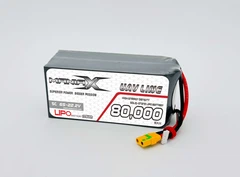
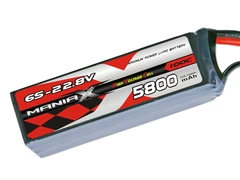
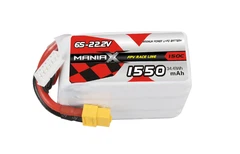
Currently, approximately 90% of the drone market utilizes lithium batteries, with lithium-ion polymer (LiPo) batteries accounting for the largest share. These batteries are characterized by high energy density (200–300 Wh/kg) and strong discharge capabilities (sustaining continuous discharge rates exceeding 5C), thereby satisfying the dual requirements of drones for both lightweight design and robust power. A prime example is found in mainstream consumer-grade drones, which achieve flight durations of 20–30 minutes precisely by relying on 3S–6S (11.1V–22.2V) LiPo battery packs.
Comparison of Three Battery Technologies
Nickel-Metal Hydride (NiMH) Batteries: Low cost, but with an energy density of only 60–120 Wh/kg; primarily used in entry-level toy drones.
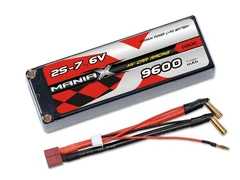
Lithium-Ion Polymer (LiPo) Batteries: Allow for slim-profile designs and support high-current discharge; the preferred choice for racing drones.
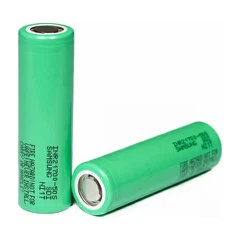
Lithium-Ion Batteries: Offer a longer cycle life (exceeding 500 cycles) and are commonly found in professional applications, such as surveying and mapping.
Future Technological Development Trends
Laboratory data for solid-state batteries has already demonstrated energy densities exceeding 400 Wh/kg; however, their current cost remains 8 to 10 times that of LiPo batteries. Hydrogen fuel cells have already found application in military drones requiring long flight endurance, though challenges regarding hydrogen storage still need to be resolved. In the short term, improved lithium batteries featuring silicon anodes are expected to serve as a transitional solution, with their energy density projected to increase by approximately 30% within the next three years.