
The Code of Dimensions: The Evolutionary Journey from 18650 to 21700
For cylindrical lithium-ion batteries, the most intuitive parameter is their physical size. The numerical combinations found in common models conceal vital information:
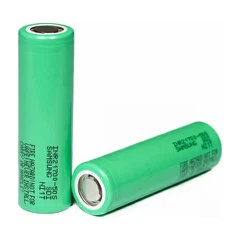
18650: Diameter 18mm × Height 65.0mm-a classic veteran, notably adopted in early Tesla Model S vehicles.
21700: Diameter 21mm × Height 70.0mm-delivers a 20% increase in energy density and serves as the workhorse for the Tesla Model 3.
4680: Diameter 46mm × Height 80mm-Tesla's latest cutting-edge technology, boosting driving range by 16%.
For every 3mm increase in diameter, battery capacity can rise by approximately 30%; however, excessive size can compromise heat dissipation efficiency. Much like the evolution of smartphones from 5-inch to 6.7-inch screens-where the goal is to balance a large display with comfortable ergonomics-battery size design is, fundamentally, an art of balance.
The Mystery of Capacity: The Energy Dynamics Behind the mAh Figures
Capacity is the most critical parameter of a battery, yet batteries of the exact same physical size can vary in capacity by as much as twofold:
Low-Capacity Group (1000–2500mAh): Commonly found in electronic cigarettes, Bluetooth headsets, and 18650 cells used in power banks.
Mid-Capacity Group (2500–3500mAh): The standard for mainstream laptop batteries and power tools, striking a balance between weight and runtime.
High-Capacity Group (3500mAh+): Predominantly used in drones and new energy vehicles; 21700 cells in this category can reach capacities of up to 5000mAh.
Increased capacity is often accompanied by increased weight-much like upgrading a smartphone battery from 3000mAh to 5000mAh; while runtime improves, the overall weight of the device inevitably rises. When selecting a battery model, it is essential to make trade-offs based on the device's power consumption requirements and its intended usage scenarios.
Model Naming Conventions: The Hidden Meanings Behind Letters and Numbers
What appear to be random model names actually encode critical information regarding the battery's chemical composition, physical characteristics, and more:
INR: Nickel-Cobalt-Manganese (NCM) ternary lithium system-characterized by high energy density and commonly found in consumer electronics.
IFR: Lithium Iron Phosphate (LiFePO4) system-renowned for its superior safety profile and the preferred choice for new energy buses.
Numerical Suffixes: For example, in the model "18650-35E," the "35" indicates a capacity of 3500mAh, while the "E" signifies high-rate discharge capability.