

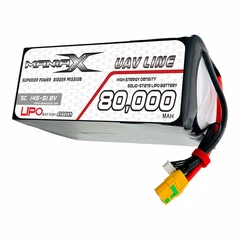
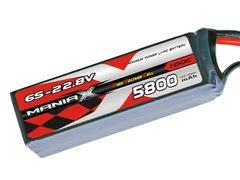
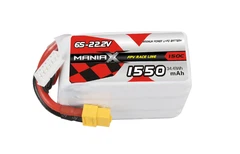
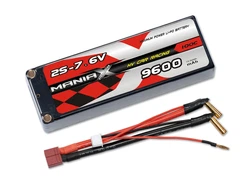

Flying an FPV (First-Person View) drone can be an exhilarating experience, offering a unique perspective of the world from above. As an FPV drone lipo battery supplier, I often encounter questions from enthusiasts about the best practices for using their new batteries. One common query is, "Can I fly my FPV drone with a new lipo battery without charging it first?" Let's delve into this topic and explore the science behind it.
Understanding Lipo Batteries
Lithium Polymer (LiPo) batteries are the powerhouses behind most FPV drones. They are favored for their high energy density, lightweight design, and ability to deliver high currents, which are essential for the rapid acceleration and maneuverability required in FPV racing and flying. However, LiPo batteries also require careful handling and maintenance to ensure their safety and longevity.
When a new LiPo battery is manufactured, it typically comes with a partial charge. This is done to prevent self - discharge during storage and transportation. The level of this initial charge can vary depending on the manufacturer and the specific battery model.
The Importance of Charging a New LiPo Battery
While it might be tempting to take your new FPV drone out for a spin right away, it is strongly recommended to charge your new LiPo battery before use. Here are several reasons why:
1. Optimal Performance
A fully charged LiPo battery provides the maximum voltage and capacity, which translates to better performance for your FPV drone. When the battery is at its full charge, the drone can achieve higher speeds, longer flight times, and more consistent power delivery. This is crucial, especially in competitive FPV racing where every second and every bit of power counts.
For example, our 4S - 14.8V 750mAh 100C FPV Racing Lipo Battery is designed to deliver high - performance power when fully charged. Flying with an under - charged battery may result in reduced flight time and lower overall performance.
2. Battery Health
Charging a new LiPo battery to its full capacity helps to condition the battery cells. During the first few charge cycles, the cells become more efficient at storing and releasing energy. This process is known as "battery formation" or "break - in." Skipping this step can lead to uneven cell performance over time, reducing the battery's overall lifespan and potentially causing safety issues.
3. Safety
LiPo batteries are sensitive to over - discharge and under - charge. Flying with a new, uncharged battery increases the risk of over - discharging the battery during flight. Over - discharging can cause irreversible damage to the battery cells, leading to swelling, reduced capacity, and in extreme cases, fire or explosion. By charging the battery before use, you ensure that it is operating within a safe voltage range.
How to Charge a New LiPo Battery
Charging a LiPo battery requires the use of a compatible charger. It is important to follow the manufacturer's instructions carefully to ensure a safe and proper charge. Here are the general steps:
- Choose the Right Charger: Make sure your charger is designed for LiPo batteries and has the appropriate voltage and current settings for your specific battery. For example, if you have a 6S - 22.2V 1300mAh 100C FPV Racing Lipo Battery, your charger should be capable of charging a 6S battery.
- Connect the Battery: Connect the battery to the charger using the appropriate connectors. Most LiPo batteries have a balance connector in addition to the main power connector. Make sure to connect both correctly.
- Set the Charging Parameters: Set the charger to the correct voltage, capacity, and charge rate. The charge rate is usually expressed in "C" ratings. For example, a 1C charge rate means that the battery will be charged in one hour. It is generally recommended to charge LiPo batteries at a rate of 1C or lower to ensure a safe and slow charge.
- Monitor the Charging Process: Keep an eye on the charger and the battery during the charging process. If you notice any signs of overheating, swelling, or abnormal behavior, stop the charging immediately.
Our Range of FPV Drone Lipo Batteries
As an FPV drone lipo battery supplier, we offer a wide range of high - quality batteries to meet the needs of different FPV enthusiasts. Our batteries are designed with the latest technology to provide optimal performance, safety, and longevity.
In addition to the 4S - 14.8V 750mAh 100C FPV Racing Lipo Battery and 6S - 22.2V 1300mAh 100C FPV Racing Lipo Battery, we also have other popular models such as the 3S - 11.1V 1550mAh 150C FPV Racing Lipo Battery and 6S - 22.2V 2400mAh 150C FPV Racing Lipo Battery. These batteries are suitable for both beginner and professional FPV pilots.
Our 6S - 22.2V 850mAh 100C FPV Racing Lipo Battery is another great option for those looking for a lightweight and high - performance battery. It offers a good balance between capacity and power, making it ideal for FPV racing and acrobatic flying.


Conclusion
In conclusion, it is not advisable to fly your FPV drone with a new LiPo battery without charging it first. Charging the battery before use ensures optimal performance, battery health, and safety. As an FPV drone lipo battery supplier, we are committed to providing our customers with high - quality batteries and the knowledge they need to use them safely and effectively.
If you are interested in purchasing our FPV drone lipo batteries or have any questions about battery usage and maintenance, please feel free to contact us for a procurement discussion. We look forward to serving you and helping you take your FPV flying experience to the next level.
References
- Battery University: Lithium - Polymer Batteries.
- FPV Drone Manufacturer's Guides on Battery Usage.


