


Hey there, fellow drone enthusiasts! As a supplier of Intelligent transportation drone batteries, I get asked a ton of questions about battery care and usage. One of the most common queries is, "Can I use a different brand's charger for my intelligent transportation drone battery?" Let's dive into this topic and find out what's up.
Understanding the Basics of Drone Batteries
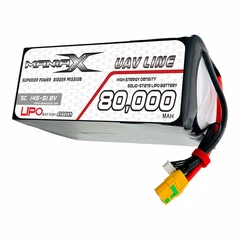
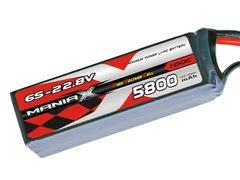
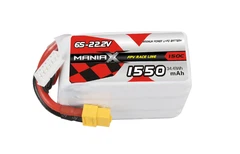
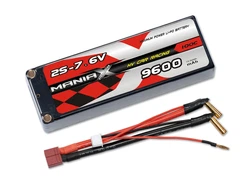
First things first, let's talk a bit about the batteries we're dealing with. Our company offers some top - notch products like the ManiaX Solid - State Lipo 12S - 44.4V 39,000mAH 10C Drone & UAV Battery, ManiaX Solid - State Lipo 6S - 22,2V 20,000mAH 10C Drone & UAV Battery, ManiaX Solid - State Lipo 6S - 22,2V 33,000mAH 10C Drone & UAV Battery, ManiaX Solid - State Lipo 12S - 44.4V 29,000mAH 10C Drone & UAV Battery, and ManiaX Solid - State Lipo 6S - 22,2V 18,000mAH 10C Drone & UAV Battery. These solid - state LiPo batteries are designed to provide high performance and long - lasting power for your intelligent transportation drones.
Drone batteries are pretty complex pieces of tech. They have specific voltage, capacity, and charge rate requirements. For example, a 12S battery means it's a series - connected battery pack with 12 cells, and it has a nominal voltage of 44.4V. The capacity, measured in milliamp - hours (mAh), tells you how much charge the battery can hold, and the C - rating indicates the maximum safe charge and discharge rates.
The Risks of Using a Different Brand's Charger
Now, let's get to the main question. Using a different brand's charger for your drone battery can be a bit of a gamble. Here are some of the risks involved:
Voltage Mismatch
Different chargers are designed to output specific voltages. If the charger's output voltage doesn't match your battery's requirements, it can cause some serious problems. If the voltage is too high, it can overcharge the battery, which can lead to swelling, overheating, and in the worst - case scenario, a fire or explosion. On the other hand, if the voltage is too low, the battery won't charge properly, and you'll end up with a shorter flight time.
Charge Rate Mismatch
The charge rate is another crucial factor. Our batteries are rated with a specific C - rating, which determines how fast they can be charged safely. If you use a charger that has a higher charge rate than your battery can handle, it can cause excessive heat generation and damage the battery cells. This can reduce the battery's lifespan and performance over time.
Compatibility Issues
Not all chargers are compatible with all types of batteries. Some chargers may have different connector types or charging algorithms. If the charger and the battery aren't compatible, the charger may not recognize the battery, or it may charge it in an abnormal way. This can lead to inaccurate charging levels and potential damage to the battery.
When It Might Be Okay to Use a Different Brand Charger
There are some cases where using a different brand charger might be okay, but you need to be really careful.
Similar Specifications
If the charger has the exact same voltage output, charge rate, and connector type as the original charger, the risk is significantly reduced. However, you still need to make sure that the charger is of good quality and has reliable safety features.
Emergency Situations
In an emergency, if you don't have access to the original charger, you might consider using a different one. But this should only be a short - term solution. You should get the correct charger as soon as possible to avoid any long - term damage to your battery.
Tips for Safe Charging
Whether you're using the original charger or a different brand's charger, there are some general tips for safe charging:
- Never Leave the Battery Unattended: Always keep an eye on the battery while it's charging. This way, you can quickly notice if there are any signs of overheating, swelling, or other issues.
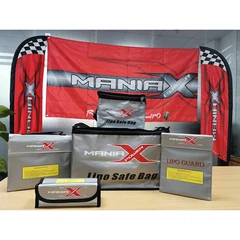
- Charge in a Safe Location: Charge your battery in a fire - resistant container or on a non - flammable surface. Avoid charging near flammable materials or in areas with high temperatures.
- Check the Charger Regularly: Look for any signs of damage, like frayed wires or loose connections. A damaged charger can be very dangerous.
Conclusion
So, can you use a different brand's charger for your intelligent transportation drone battery? Well, it's possible, but it comes with a lot of risks. It's always best to use the charger that came with your battery or a charger specifically recommended by the battery manufacturer.


If you're in the market for high - quality intelligent transportation drone batteries or need more information about battery care and charging, don't hesitate to reach out for a procurement discussion. We're here to help you find the best solutions for your drone needs.
References
- Battery Technology Handbook
- Drone Safety Guidelines and Regulations


