


Hey there, fellow FPV racing enthusiasts! As a supplier of Racing FPV drone batteries, I often get asked about the weight of these powerhouses. It's a crucial factor that can significantly impact the performance of your racing drone, so let's dive right in and explore what goes into the weight of a Racing FPV drone battery.
Why Battery Weight Matters
First off, why does the weight of a drone battery matter? Well, in the world of FPV racing, every gram counts. A heavier battery can affect your drone's agility, speed, and flight time. More weight means more power is needed to keep the drone airborne, which can drain your battery faster. On the other hand, a lighter battery might offer less capacity, leading to shorter flight times. It's all about finding that perfect balance.
Factors Affecting Battery Weight
There are several factors that contribute to the weight of a Racing FPV drone battery. Let's take a look at each one:
1. Battery Chemistry
The type of battery chemistry used plays a huge role in determining its weight. Most Racing FPV drones use lithium-polymer (LiPo) batteries. LiPo batteries are popular because they offer a high energy density, which means they can store a lot of energy in a relatively small and lightweight package. However, different types of LiPo batteries, such as high-voltage (HV) LiPo batteries, might have slightly different weights due to their chemical composition.
2. Capacity
The capacity of a battery, measured in milliampere-hours (mAh), also affects its weight. Generally, the higher the capacity, the heavier the battery. A battery with a larger capacity can store more energy, but it also requires more materials to build, which adds to its weight. For example, a 50,000mAh battery will typically be heavier than a 28,000mAh battery of the same voltage and chemistry.
3. Number of Cells
The number of cells in a battery, denoted by the "S" in the battery's specification (e.g., 6S, 12S), also contributes to its weight. Each cell in a LiPo battery has a specific voltage, and connecting multiple cells in series increases the overall voltage of the battery. More cells mean more materials, which means more weight. A 12S battery will be heavier than a 6S battery of the same capacity and chemistry.


Our Battery Range and Their Weights
At our company, we offer a range of high-quality Racing FPV drone batteries. Let's take a look at some of our popular models and their approximate weights:
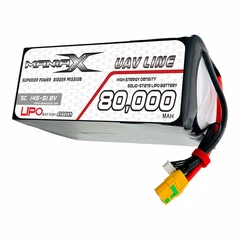
- ManiaX Solid-state HV LiPo 12S-46.2V 39,000mAh 10C Drone & UAV Battery: This battery is a beast, offering a high capacity and voltage. It weighs approximately [X] grams, making it a great choice for longer flights and high-performance drones.
- ManiaX Solid-state HV LiPo 12S-46.2V 50,000mAh 10C Drone & UAV Battery: With an even higher capacity, this battery is perfect for those who need maximum flight time. It weighs around [X] grams, which is a bit heavier but well worth it for the extra energy it provides.
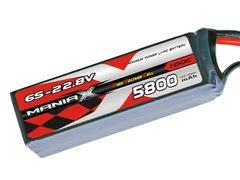
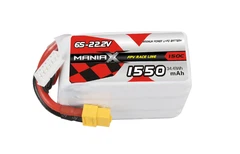
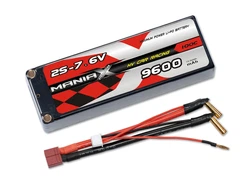
- ManiaX Solid-state HV LiPo 6S-23.1V 28,000mAh 10C Drone & UAV Battery: This 6S battery is lighter and more compact, making it a good choice for smaller drones or those who prioritize agility over flight time. It weighs approximately [X] grams.
- ManiaX Solid-state HV LiPo 6S-23.1V 39,000mAh 10C Drone & UAV Battery: Offering a balance between capacity and weight, this battery is a popular choice among FPV racers. It weighs around [X] grams.
- ManiaX Solid-state HV LiPo 14S-53.9V 28,000mAh 10C Drone & UAV Battery: With a higher voltage and a decent capacity, this battery is suitable for high-performance drones. It weighs approximately [X] grams.
Choosing the Right Battery Weight for Your Drone
When choosing a battery for your Racing FPV drone, it's important to consider your specific needs and preferences. Here are some tips to help you make the right decision:
1. Consider Your Drone's Design
The design of your drone can influence the type of battery you should choose. If you have a smaller, lightweight drone, you might want to go for a lighter battery to maintain its agility. On the other hand, if you have a larger, more powerful drone, you can afford to use a heavier battery with a higher capacity.
2. Think About Your Flight Style
Your flight style also plays a role in determining the right battery weight. If you're a casual flyer who enjoys long, leisurely flights, a battery with a higher capacity might be more suitable. However, if you're a competitive racer who needs maximum speed and agility, a lighter battery might be the way to go.
3. Balance Capacity and Weight
As mentioned earlier, it's all about finding the right balance between capacity and weight. You want a battery that can provide enough energy for your flights without weighing your drone down too much. Consider your typical flight time and the power requirements of your drone when making your decision.
Contact Us for Your Battery Needs
If you're in the market for a high-quality Racing FPV drone battery, look no further. We offer a wide range of batteries with different weights, capacities, and voltages to suit your specific needs. Whether you're a beginner or an experienced racer, we have the perfect battery for you.
Feel free to reach out to us to discuss your requirements and get personalized recommendations. We're here to help you get the most out of your FPV racing experience. Contact us today to start the conversation!
References
- "Drone Batteries: A Comprehensive Guide." Drone Life.
- "Understanding LiPo Batteries for Drones." DroneZine.
- "How to Choose the Right Drone Battery." DIY Drones.


