

What Is a Solid-State Battery?
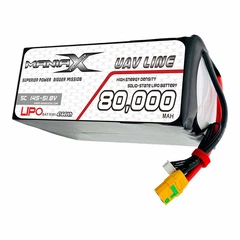
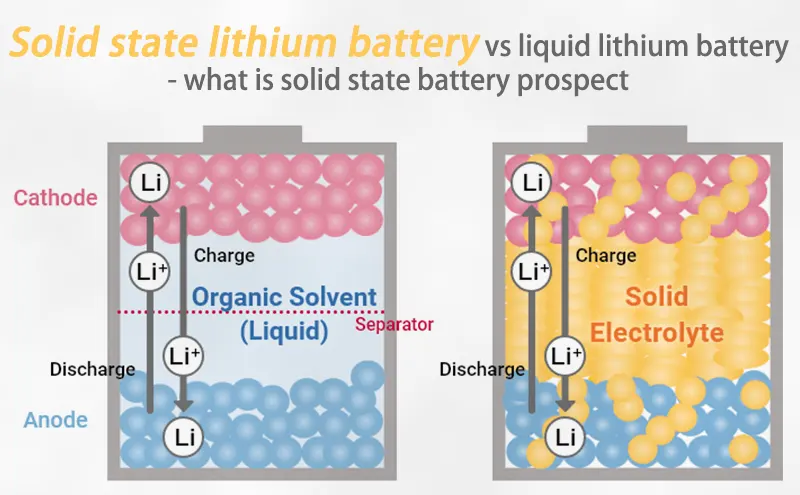
The solid-state battery is an advanced type of battery technology that replaces the liquid or gel electrolyte found in conventional lithium-ion batteries with a solid electrolyte. This significant change in the battery's internal structure aims to improve safety, energy density, and over-all performance. Solid-state batteries are considered a promising innovation for various applications, including electric vehicles (EVs), portable electronics, and energy storage system…etc. due to their potential of higher energy efficiency and reduced risks which can be used in various industrials and markets.
Solid-state batteries and LiPo batteries (Lithium Polymer) differ primarily in their electrolyte, with solid-state batteries using a solid electrolyte while LiPo batteries use a polymer electrolyte. This difference impacts key features like energy density, safety, lifespan, and charging speed.
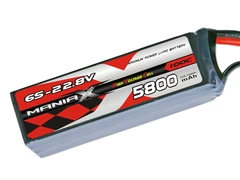
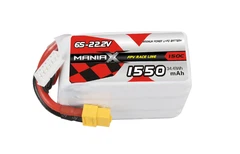
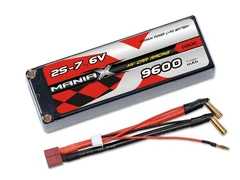
There are significant differences between solid-state batteries and lithium polymer (LiPo) batteries in terms of structure, performance, and application fields. Solid-state batteries use solid electrolytes and have higher safety, energy density, and durability, making them a key technology for future electric vehicles and energy storage systems. LiPo batteries, on the other hand, use liquid electrolytes and are applied in various consumer electronics, remote-controlled models, toys, and other fields.
Key Differences:
1. Electrolyte Composition
Solid-State Battery
Uses a solid electrolyte (e.g., ceramics, sulfides, or polymers) instead of liquid or gel electrolytes. These solid electrolytes can be made from various materials, such as ceramics or polymers.
Eliminates the need for a liquid separator, reducing risks of leakage or short circuits.
Lipo Battery
Relies on a gel-like or liquid polymer electrolyte with a porous separator to prevent electrode contact, enclosed in a flexible and pouch-like packaging.
Liquid components make it more prone to swelling or leakage under extreme conditions.
2. Energy Density
Solid-State Battery
Superior Performance: The theoretical energy density ranges from 500–1000 Wh/kg (lab-stage prototypes achieve 250–500 Wh/kg), far exceeding traditional lithium-ion batteries (150–250 Wh/kg).
Reason: Solid electrolytes enable high-capacity electrodes (e.g., metallic lithium anodes) and reduce space occupied by liquid electrolytes.
Lipo Battery
Energy density is 200–300 Wh/kg, slightly higher than liquid lithium-ion batteries (e.g., 18650 cells) but lower than solid-state batteries. But advancements in lipo batteries production technology have improved a lot in energy density since the past several years.
3. Safety:
Solid-State Battery
Higher Safety: No liquid electrolyte eliminates risks of leakage, fire, or explosion (significantly reduced thermal runaway).
Heat Resistance: Solid electrolytes are more thermally stable than liquids, withstanding higher temperatures (e.g., >100°C).
Lipo Battery
Lipo batteries are generally safety when used properly. Liquid electrolytes pose risks of leakage. Overcharging, physical damage, or high temperatures can lead to fires (requires strict voltage/temperature control) if damaged or mistreated in wrong way.
4. Lifespan and Cycle Performance
Solid-State Battery
Longer cycle life (theoretically >1000 cycles). Solid electrolytes reduce side reactions at electrodes, slowing capacity degradation.
Lipo Battery
Shorter cycle life (300–500 cycles). Liquid electrolytes react with electrodes to form a passive layer, causing capacity loss over time after each charge-discharge cycles.
5. Cost and Commercialization
Solid-State Battery
High Cost: Complex manufacturing processes (e.g., thin-film deposition, solid electrolyte production) and expensive raw materials (e.g., sulfides, lithium metal).
Commercialization Status: Semi-solid batteries for electric vehicles are expected from automakers (e.g., Toyota, CATL) by 2025–2030. Full solid-state batteries remain in R&D or small-scale trials.
Lipo Battery
Low cost and mature technology, widely used in consumer electronics, drones, and electric vehicles.
6. Applications
Solid-State Battery
Future Focus: Electric vehicles (targeting >800 km range), aerospace (high-safety requirements), and energy storage (longevity needs). Solid-state batteries are still in the early stages of development and surely have much more potential to revolutionize various industries and use more widely soon.
Lipo Battery
Current Dominance: Drones (e.g., DJI T60 batteries), smartphones, laptops, and electric toys, RC hobbies…etc., especially in lightweight or flexible designs.
Solid-state batteries offer a promising future for energy storage, with their improved safety, higher energy density, and longer lifespan.
While LiPo batteries remain a popular choice for portable devices due to their lightweight nature and compact size;
Solid-state batteries are poised to become a major player in the energy storage market, especially in applications where safety and performance are critical. As solid-state technology matures, it could revolutionize industries reliant on batteries, but lipo batteries will likely dominate low-to-mid-range markets for the foreseeable future.
Summary table:
|
Feature |
Solid-State Battery |
Lipo Battery |
|
Electrolyte |
Solid (ceramics/polymers) |
Gel/liquid polymer |
|
Energy Density |
300–1,000 Wh/kg (lab) |
200–300 Wh/kg |
|
Safety |
Low fire risk, thermal stability |
A bit Higher risk with improper use |
|
Cycle Life |
>1,000 cycles |
300–500 cycles |
|
Cost |
High (R&D stage) |
Low (mass-produced) |
|
Primary Use Cases |
EVs, aerospace, grid storage |
Drones, consumer electronics |
Conclusions
To sum up, while solid-state battery technology has its advantages and used more and more widely in various markets, but to be widespread commercialization is still need some more years to process.
LiPo batteries, on the other hand, still continue to serve as a reliable power source for various applications. Both technologies have their advantages and limitations, and ongoing research and development efforts aim to address these challenges and unlock the full potential of next-generation energy storage solutions.
As one of the global leading manufacturer and exporter in lithium battery cells production, ManiaX offers professional battery power solutions for high energy density solid-state batteries with energy density of 350Wh/kg, (and up to 450Wh/kg) to meet your specific application requirements. If you have any questions or needs, please feel free to contact us at contact@maniaxuav.com.


