

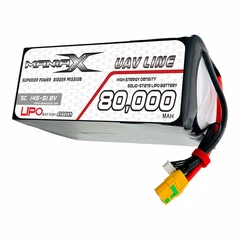
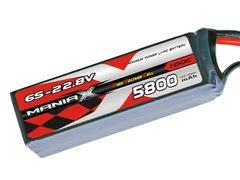
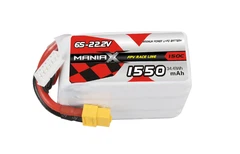
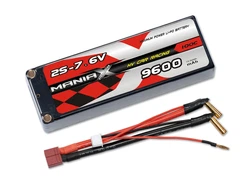

Hey there, fellow RC helicopter enthusiasts! I'm [Your Name], and I run a business that supplies high-rate remote-controlled helicopter batteries. It's always a bummer when you're gearing up for an awesome flying session, and you find out your battery won't charge. But don't worry; I've got your back. In this blog, I'll walk you through some common reasons why your battery might not be charging and how you can troubleshoot the issue.
1. Check the Basics First
Before you start digging deep into the problem, it's a good idea to check the simple stuff. First off, make sure the charger is plugged in properly. Sounds obvious, right? But you'd be surprised how many times a loose plug is the culprit. Also, check if the charger is working. You can do this by trying to charge another battery that you know is in good condition. If the other battery charges fine, then the problem is likely with your helicopter battery.
Another thing to look at is the connection between the battery and the charger. Sometimes, the connectors can get dirty or loose over time. Take a close look at the connectors on both the battery and the charger. If they're dirty, you can use a small brush or some compressed air to clean them. Make sure they're firmly connected without any signs of bending or damage.
2. Is the Battery Expired or Damaged?
Batteries have a limited lifespan, especially when it comes to high-rate remote-controlled helicopter batteries. If your battery is old and has been used a lot, it might just be time to replace it. Most lithium-polymer (LiPo) batteries, which are commonly used in RC helicopters, start to degrade after a certain number of charge and discharge cycles.
Inspect the battery carefully for any physical damage. Look for bulges, cuts, or leaks. If you notice any of these signs, it's a clear indication that the battery is damaged and needs to be replaced immediately. Using a damaged battery can be extremely dangerous, as it can lead to overheating, fires, or even explosions.


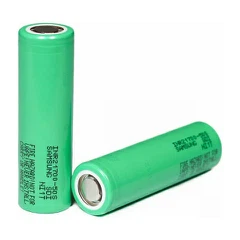
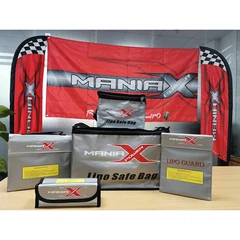
We offer a range of high-quality batteries, like the 2S-7.4V 3300mAh 45C RX Lipo Battery, 2S-7.4V 5200mAh 30C RX Lipo Battery, ManiaX 2S-7.4V 2600mAh 45C RX Lipo Battery, 2S-7.4V 5300mAh 45C RX Lipo Battery, and 2S-7.4V 5000mAh 15C RX Lipo Battery. These batteries are made to last and provide the power your helicopter needs.
3. Issues with the Charger Settings
Sometimes, the problem isn't with the battery or the charger itself, but with the settings on the charger. Different batteries have different voltage, capacity, and charge rate requirements. If the charger settings aren't configured correctly, it won't be able to charge the battery properly.
Check the charger manual to make sure you've set the correct voltage and capacity for your battery. For example, if you have a 2S LiPo battery, the voltage should be set to 7.4V. Also, make sure the charge rate (amps) is appropriate for your battery. A too-high charge rate can damage the battery, while a too-low rate will take forever to charge it.
4. Cell Balancing Problems
LiPo batteries are made up of multiple cells connected in series. For the battery to work properly, all the cells need to be balanced, meaning they should have the same voltage. If one or more cells are out of balance, it can cause problems with charging.
Most good chargers come with a balancing function. When you connect the battery to the charger, make sure the balance connector is properly connected. If the charger detects an imbalance, it will try to balance the cells while charging. However, if the imbalance is severe, the charger might not be able to fix it.
You can use a battery checker or a multimeter to measure the voltage of each cell individually. If you find that one cell has a significantly lower or higher voltage than the others, it's a sign of a balancing problem. In some cases, you might be able to use a specialized LiPo balancer to fix the issue. But if the problem persists, it might be time to replace the battery.
5. Overheating During Charging
Overheating is another common issue that can prevent a battery from charging. When a battery overheats, the charger might automatically stop the charging process to prevent damage. There are several reasons why a battery might overheat during charging.
One reason could be a high charge rate. As I mentioned earlier, using a charge rate that's too high for your battery can cause it to heat up. Make sure you're using the correct charge rate as specified by the battery manufacturer.
Another reason could be a problem with the charger itself. If the charger is old or damaged, it might not be regulating the charging current properly, leading to overheating. You can try using a different charger to see if the problem persists.
Also, make sure you're charging the battery in a well-ventilated area. Avoid charging it on a soft surface like a carpet, as this can trap heat and cause the battery to overheat.
6. Storage and Usage Habits
Your battery's charging performance can also be affected by how you store and use it. If you store your battery for a long time without charging it, it can self-discharge and lose its capacity. LiPo batteries should be stored at a partial charge, usually around 50-60% of their capacity. You can use a storage mode on your charger to achieve this.
Also, avoid fully discharging your battery during use. LiPo batteries have a minimum voltage limit, and if you discharge them below this limit, it can damage the cells and make the battery difficult to charge. Try to land your helicopter before the battery voltage gets too low.
Conclusion
So, there you have it. These are some of the most common reasons why your high-rate remote-controlled helicopter battery might not be charging and how you can troubleshoot the issue. Remember, safety should always be your top priority when dealing with RC helicopter batteries. If you're unsure about anything, don't hesitate to ask for help.
We're here to provide you with the best high-rate remote-controlled helicopter batteries and support. If you're looking to purchase new batteries or have any questions about battery troubleshooting, feel free to get in touch with us. We're always happy to assist you.
References
- RC Helicopter Battery Manuals
- LiPo Battery Safety Guidelines
- Charger Manufacturer Documentation


