


In the realm of drone technology, the soft pack drone battery stands as a linchpin, influencing the performance, longevity, and most importantly, the safety of the unmanned aerial vehicles (UAVs). As a supplier of soft pack drone batteries, I am constantly engaged in the pursuit of understanding and enhancing the safety margin of these essential power sources. In this blog, we will explore what the safety margin of a soft pack drone battery is, why it is crucial, and how we as a supplier ensure that our products meet the highest safety standards.
Understanding the Safety Margin of a Soft Pack Drone Battery
The safety margin of a soft pack drone battery can be defined as the buffer or leeway between normal operating conditions and the point at which the battery enters a state of potential danger. This danger can manifest in various forms, such as overheating, overcharging, over - discharging, short - circuiting, or even explosion. A well - designed safety margin ensures that these hazardous situations are avoided under a wide range of circumstances.


Key Factors Contributing to the Safety Margin
- Electrochemical Stability: The chemical reactions within the battery are at the core of its operation. A soft pack battery typically uses lithium - ion chemistry. Maintaining the stability of these reactions is essential. For example, the cathode and anode materials must be carefully selected and engineered to prevent the formation of dendrites. Dendrites are tiny, needle - like structures that can grow inside the battery over time, piercing the separator between the cathode and anode and causing a short - circuit. Our research and development team focuses on using high - quality materials and advanced manufacturing processes to enhance the electrochemical stability of our soft pack batteries.
- Thermal Management: Heat is the enemy of battery safety. When a battery overheats, it can accelerate chemical reactions, leading to a loss of capacity, reduced lifespan, and in extreme cases, thermal runaway. To address this, our soft pack batteries are equipped with thermal management systems. These can include heat - dissipating materials, such as graphite or ceramic layers, which help to spread and dissipate heat evenly across the battery surface. Additionally, we design our batteries with proper spacing and ventilation channels to allow for better air circulation, further preventing heat buildup.
- Over - charge and Over - discharge Protection: Over - charging a soft pack battery can cause the voltage to rise to dangerous levels, leading to gas generation, swelling, and potential explosion. On the other hand, over - discharging can damage the battery's internal structure and reduce its capacity. Our batteries are integrated with advanced battery management systems (BMS) that monitor the voltage, current, and temperature of the battery in real - time. The BMS automatically cuts off the charging or discharging process when the battery reaches its upper or lower voltage limits, providing a robust safety margin against over - charge and over - discharge situations.
- Mechanical Integrity: Soft pack batteries are more flexible compared to their hard - case counterparts, but they also require careful consideration of mechanical integrity. Physical damage, such as punctures, cuts, or bending beyond a certain limit, can compromise the battery's safety. We use high - quality, durable packaging materials and reinforcement techniques to protect the battery from external mechanical stresses. Additionally, our batteries are designed to withstand a certain degree of impact and vibration, ensuring their safety during transportation and operation.
Why is the Safety Margin So Important?
- Operator Safety: Drones are often used in various environments, including populated areas, industrial sites, and near critical infrastructure. A battery failure can cause the drone to crash, posing a significant risk to people and property on the ground. By providing a sufficient safety margin, we can minimize the likelihood of such accidents and protect the operators and the general public.
- Drone Performance and Longevity: A battery that operates within a safe margin is more likely to perform consistently and have a longer lifespan. Over - stressing the battery due to a lack of safety margin can lead to premature degradation, reduced capacity, and increased internal resistance. This, in turn, can affect the drone's flight time, speed, and overall performance.
- Regulatory Compliance: The drone industry is subject to strict regulations, especially regarding battery safety. Meeting or exceeding these regulations is not only a legal requirement but also a sign of our commitment to quality and safety. Our products are designed to comply with international standards such as IEEE 1625 and UL 2580, ensuring that they can be used safely in various markets around the world.
Our Commitment to Safety as a Soft Pack Drone Battery Supplier
As a leading supplier of soft pack drone batteries, we take safety very seriously. We invest heavily in research and development to continuously improve the safety margin of our products. Our manufacturing facilities adhere to strict quality control standards, and every battery undergoes rigorous testing before it leaves our factory.
Testing Procedures
- Electrical Testing: We conduct a series of electrical tests, including voltage, current, and capacity tests, to ensure that the battery meets the specified performance parameters. We also test the battery's response to over - charge and over - discharge conditions to verify the effectiveness of the BMS.
- Thermal Testing: Our batteries are tested under different temperature conditions to evaluate their thermal stability. We use thermal imaging cameras and other advanced equipment to monitor the temperature distribution across the battery surface during charging, discharging, and storage.
- Mechanical Testing: To assess the mechanical integrity of our batteries, we perform tests such as drop tests, impact tests, and vibration tests. These tests simulate real - world scenarios and help us identify any potential weaknesses in the battery design.
Our Product Range and Their Safety Features
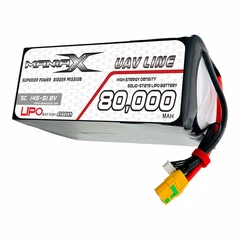
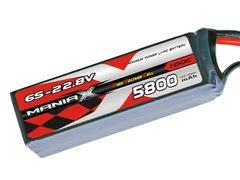
We offer a wide range of soft pack drone batteries, including the ManiaX Solid - state HV LiPo 6S - 23.1V 28,000mAh 10C Drone & UAV Battery, ManiaX Solid - state HV LiPo 12S - 46.2V 39,000mAh 10C Drone & UAV Battery, ManiaX Solid - state HV LiPo 12S - 46.2V 50,000mAh 10C Drone & UAV Battery, ManiaX Solid - state HV LiPo 12S - 46.2V 30,000mAh 10C Drone & UAV Battery, and ManiaX Solid - state HV LiPo 6S - 23.1V 50,000mAh 10C Drone & UAV Battery. These batteries are built with the latest solid - state lithium - polymer technology, which offers several advantages over traditional lithium - ion batteries.
Solid - state batteries are more stable and less prone to thermal runaway. They also have a higher energy density, which means they can store more energy in a smaller and lighter package. In addition to the solid - state technology, all our batteries are equipped with advanced BMS and thermal management systems, providing a high level of safety for your drone operations.
Contact Us for Procurement
If you are in the market for high - quality, safe soft pack drone batteries, we invite you to contact us for procurement. Our team of experts is ready to assist you in selecting the right battery for your specific needs. Whether you are a hobbyist drone pilot or a professional in the commercial drone industry, we have the products and the knowledge to support your operations.
References
- IEEE Standards Association. (2012). IEEE 1625 - 2012 Standard for Rechargeable Batteries for Multi - Cell Mobile Computing Devices.
- Underwriters Laboratories. (2011). UL 2580 Standard for Batteries for Use in Electric Vehicles.
- Linden, D., & Reddy, T. B. (2002). Handbook of Batteries (3rd ed.). McGraw - Hill.


